Work Hours
Monday to Friday: 7AM - 10PM
Weekend: 10AM - 7PM
Reliable radio communication depends on more than having the right handheld or mobile radio. For larger coverage areas, difficult environments, and professional communication networks, a properly configured two-way radio repeater can help extend usable coverage and keep teams connected.
At Radio-Depot, we offer two-way radio repeater equipment from recognized radio brands, including Motorola, Kenwood, Icom, and Baofeng. Our selection is designed for customers looking for professional, commercial, industrial, business, and other compatible radio communication solutions.
Whether you’re replacing an older repeater, expanding an existing network, improving coverage, or building a new communication system, you’ll find repeater options covering different frequency bands, technologies, power levels, and applications.
A two-way radio repeater receives a transmission from a compatible radio and retransmits it, allowing communication to reach areas that may be difficult to cover with direct radio-to-radio communication.
A well-designed repeater system can help improve communication across:
Actual coverage depends on the repeater, antenna system, installation location, frequency, terrain, buildings, power, interference, and other RF conditions
Each manufacturer offers equipment designed for different radio users and applications, so compatibility should always be checked before selecting a repeater.
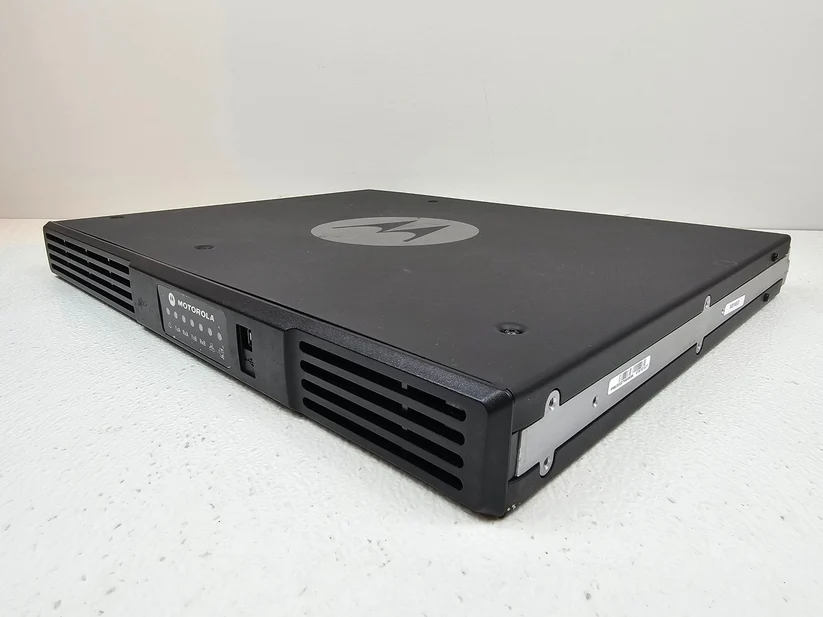
Motorola repeaters are widely used as infrastructure for professional two-way radio systems. Motorola’s MOTOTRBO infrastructure portfolio includes repeater platforms such as the SLR 1000, SLR 5000 Series, and SLR 8000. Depending on the model and configuration, these systems can support professional voice and data communication and different network architectures.
Motorola Solutions provides detailed information about its MOTOTRBO infrastructure and repeater systems. Motorola Solutions – MOTOTRBO Infrastructure
Radio-Depot may carry Motorola repeater models including:
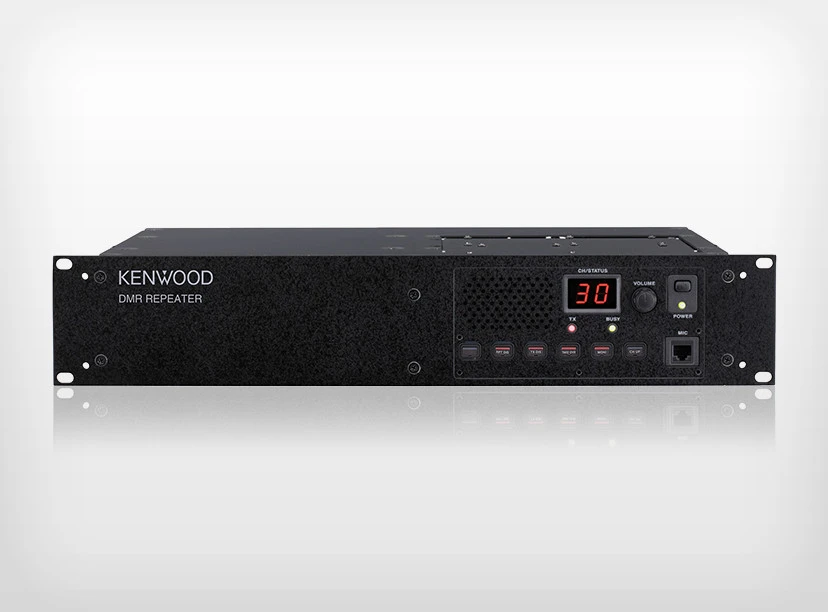
Kenwood repeaters are another option for compatible professional and commercial radio systems. Kenwood offers radio infrastructure for different VHF and UHF applications, with equipment designed around specific system requirements.
When selecting a Kenwood repeater, verify the frequency band, output power, operating mode, programming, accessories, and compatibility with the radios already in your system.
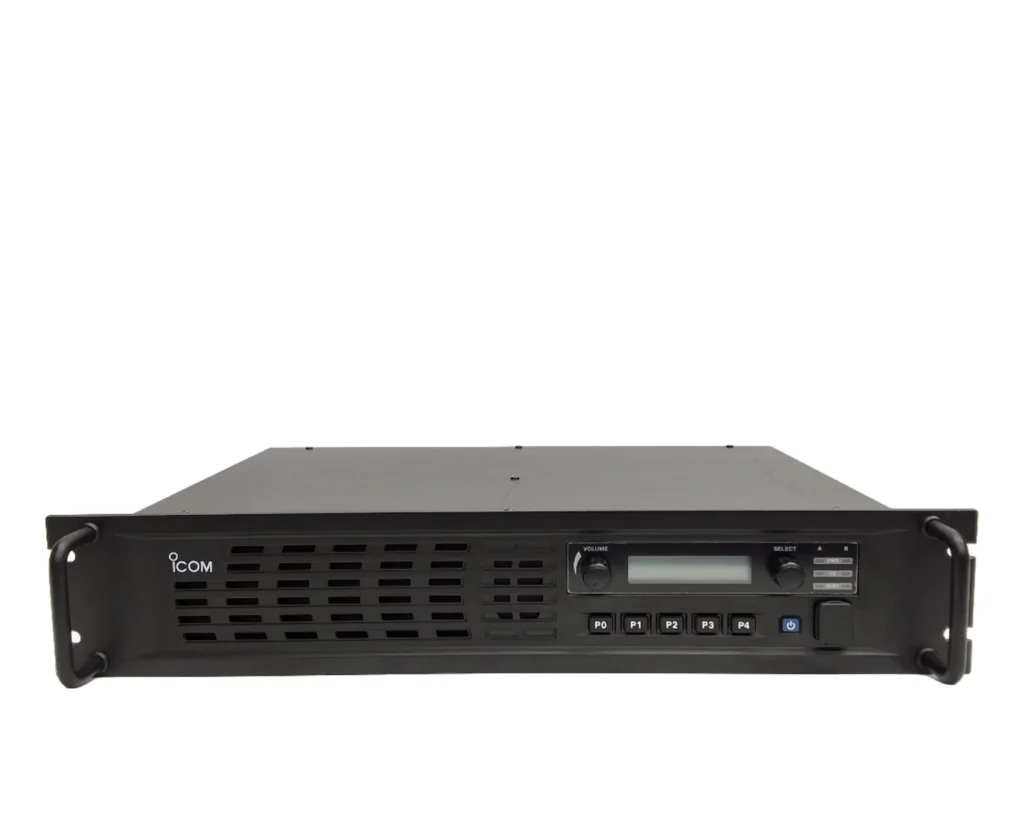
Icom repeaters are available for a range of professional, commercial, amateur, and specialized communication applications. Depending on the model, Icom repeater systems can provide VHF or UHF communication and may support analog or digital technologies.
Before selecting an Icom repeater, confirm that the equipment matches your radios, frequencies, channel configuration, and intended application.
Icom provides specifications and product information through its official communications equipment website.
Choosing between VHF and UHF depends on your existing radio system, frequencies, environment, antenna installation, licensing requirements, and intended coverage.
In many cases where the properties of VHF propagation would be beneficial, VHF radio repeaters are often employed. These include outdoor, rural, agricultural, utility, transport, and other uses.
Radio repeaters using UHF are popularly used in commercial as well as professional communication systems in environments comprising buildings, warehouses, campuses, industries, and other developed surroundings.
Neither the bands are intrinsically superior for any purpose. The decision should depend upon your current radios, your environment, antenna system, frequency allocation, and other factors.
Radio-Depot’s repeater selection can include equipment for different communication technologies.
In many cases where the properties of VHF propagation would be beneficial, VHF radio repeaters are often employed. These include outdoor, rural, agricultural, utility, transport, and other uses.
Digital radio repeaters can provide additional capabilities depending on the manufacturer, model, and configuration.
For example, Motorola MOTOTRBO infrastructure can support digital voice and data applications and different system architectures depending on the equipment and system design.
For digital equipment, make sure the repeater is compatible with the exact digital technology and programming used by your radios.
A repeater is normally installed at a strategic location to improve radio coverage.
The basic process is straightforward:
1. A radio transmits.
A portable or mobile radio sends a signal to the repeater.
2. The repeater receives the signal.
The repeater receives the transmission on its designated receive frequency.
3. The repeater retransmits the signal.
The repeater sends the communication back out at its configured transmit frequency.
4. Other radios receive the transmission.
Compatible radios within coverage can hear and respond to the communication.
The result is a communication system that can cover a much larger or more challenging area than direct radio-to-radio communication alone.
Finding the right repeater is about compatibility, not simply choosing the most powerful unit.
Confirm whether your system requires VHF, UHF, 700/800 MHz, or another frequency range.
Make sure the repeater works with the radios you already own or plan to deploy.
Determine whether your system requires analog, digital, or compatible dual-mode operation.
Higher output power does not automatically guarantee better coverage. Antenna height, antenna gain, cable loss, terrain, buildings, interference, and installation quality all matter.
Check whether the repeater needs programming before deployment and whether the required programming tools and software are available.
Some professional systems may require additional infrastructure for networking, trunking, IP connectivity, or multi-site communication.
Used repeater equipment can provide a cost-effective option for compatible systems, but condition and configuration should be verified carefully.
At Radio-Depot, used radio equipment can be an attractive option for customers maintaining existing communication systems or looking for professional equipment at a lower equipment cost.
When considering a used repeater, check:
For professional installations, programming and system configuration should be performed by an appropriately qualified radio technician or administrator.
A repeater does not operate in isolation. Depending on the system, you may also need:
Building the system around compatible components can help avoid expensive compatibility problems later.