Work Hours
Monday to Friday: 7AM - 10PM
Weekend: 10AM - 7PM
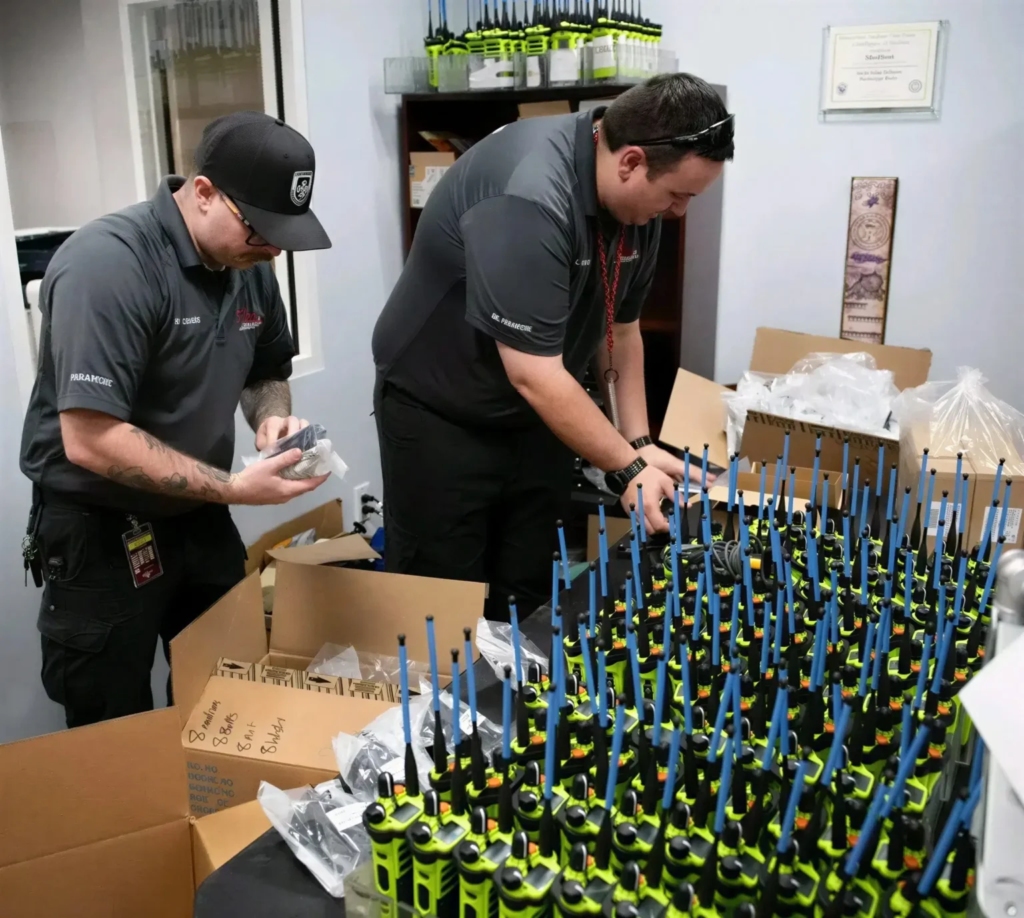
Buying two-way radios doesn’t have to mean spending a fortune on brand-new equipment. For many businesses, contractors, security teams, warehouse operators, and radio enthusiasts, used two-way radios can be a practical way to get the communication equipment they need without stretching their budget.
But there’s a catch: not every used radio is a good deal.
A radio may look clean and work perfectly during a quick test, yet have a weak battery, outdated programming, incompatible frequencies, or features that don’t support your existing communication system. These problems can turn an attractive price into an expensive mistake.
The good news is that buying pre-owned radios doesn’t have to be complicated. With a little preparation and the right questions, you can find dependable equipment that suits your needs.
In this guide, we’ll explain what to look for when buying used two-way radios, how to choose the right brand, which compatibility issues matter most, and how to avoid common purchasing mistakes.
Whether you’re looking for used Motorola, Kenwood, Icom, or Baofeng radios, this guide will help you make a more informed decision.
For businesses that depend on daily communication, purchasing radios for an entire team can become expensive. You may need several handheld units, spare batteries, chargers, speaker microphones, and other accessories.
Buying used equipment can help reduce the initial cost.
Here are some of the main reasons people consider pre-owned radios.
One of the biggest advantages of buying used radios is the potential savings compared with buying equivalent new equipment.
This can be particularly helpful for small businesses, contractors, security companies, and organizations that need multiple radios at once.
For example, a business equipping a team of 15 employees may find that purchasing suitable used radios allows it to allocate more of its budget toward batteries, chargers, a repeater system, or other operational needs.
Actual savings depend on the radio model, condition, availability, and included accessories.
Some used radios originally designed for demanding commercial environments may offer features that are difficult to find in inexpensive consumer-grade equipment.
Depending on the model, these may include:
However, professional-grade construction doesn’t guarantee that a particular used radio remains in good condition. Its history, maintenance, and current functionality still matter.
If your business already uses a particular radio model, purchasing additional compatible units may be more convenient than replacing the entire fleet.
You might need extra radios for new employees, seasonal workers, another shift, or a second work location.
Before purchasing, confirm that the additional radios can be configured to work with your existing system.
Matching brand names alone isn’t enough. Model, frequency band, supported protocols, programming, and system configuration can all affect compatibility.
Accidents happen. Radios get dropped, batteries wear out, and equipment can disappear from busy worksites.
When a radio needs replacing, a suitable used unit may be a cost-effective alternative to purchasing a new one.
Just make sure the replacement is appropriate for your system and can be programmed correctly.
Before shopping, it helps to understand the main categories of radios available on the used market.
Commercial radios are designed for business communication, with features varying by model and manufacturer.
They may be used in:
When shopping for used commercial radios, pay particular attention to durability, battery condition, programming, and compatibility with your existing equipment.
Digital radios encode voice into digital information before transmitting it.
Depending on the model and system, digital equipment may support features such as individual calling, group calling, text messaging, or data services.
However, different digital technologies are not automatically compatible. For example, DMR, NXDN, and P25 radios use different standards, and interoperability depends on the equipment and system configuration.
If your business already uses digital radios, verify the exact technology and capabilities required before buying replacements.
Analog radios can be suitable for straightforward communication systems and organizations that already use compatible analog equipment.
They may also be worth considering when replacing older radios that are still supported by your existing system.
Before purchasing, check the frequency band, channel configuration, signaling requirements, and condition of the equipment.
Amateur radio equipment serves a different purpose from many commercial business radios.
Depending on the model, used amateur radios may be suitable for licensed operators interested in local communication, hobby radio operation, or other permitted amateur radio activities.
Don’t assume that an amateur radio can legally replace a commercial business radio. The equipment and permitted operating frequencies must match the intended use.
There is no single brand that’s best for every buyer. The right choice depends on the model, intended application, required features, and your budget.
Motorola Solutions offers a wide range of professional radio equipment.
Depending on the model, used Motorola radios may be suitable for businesses that need professional handheld radios, digital communication, or equipment compatible with an existing Motorola system.
Before buying a used Motorola radio, verify:
Some Motorola radios have multiple variants that look similar but operate on different frequency bands or support different features.
If you already use Motorola equipment, identifying the complete model number is an important first step.
Kenwood manufactures professional communication equipment as well as radios for other applications.
Used Kenwood radios may be worth considering for businesses expanding an existing fleet or looking for compatible professional equipment.
Check whether the radio supports the required frequency band, digital standard, signaling, and accessories.
Don’t assume that every Kenwood NX or TK model supports the same operating modes.
Icom produces equipment for several communication markets, including commercial land-mobile radio, amateur radio, marine communications, and aviation.
When buying a used Icom radio, make sure the model is designed for your intended application.
Verify the frequency band, operating mode, battery condition, programming requirements, and compatibility with your existing system.
Baofeng radios are commonly associated with budget-oriented handheld equipment.
Depending on the model, they may appeal to amateur radio users and people looking for affordable portable radios for an appropriate, lawful application.
When buying a used Baofeng, check the battery, antenna connection, controls, programming, and supported frequencies.
It’s also important to understand the applicable licensing rules. A radio’s technical ability to transmit on a frequency does not automatically authorize its use on that frequency.
The bottom line: Choose a radio based on what you need it to do, not just the name printed on its case.
This is where a little attention can save you a lot of trouble.
Before paying for a used radio, work through the following checklist.
Start by identifying the complete model number.
Two radios from the same manufacturer may look nearly identical while having different frequency bands, features, or system compatibility.
Ask the seller for a clear photograph of the model label if it isn’t already provided in the listing.
Use the model number to locate the appropriate manufacturer documentation.
A few scratches are usually less concerning than signs of serious damage.
Look for:
Pay particular attention to radios intended for outdoor or industrial use.
If the manufacturer specifies a water- or dust-resistance rating, don’t assume a used radio still meets that rating simply because it looks intact. Damage, repairs, and worn seals can affect protection.
A used radio can appear to work properly while its battery is close to the end of its useful life.
Ask whether the battery has been tested and whether it holds a charge.
If possible, test the radio under normal operating conditions and observe how quickly the battery level drops.
Also check for:
Don’t use a visibly swollen or damaged battery.
If the battery needs replacing, include the cost of a compatible replacement in your budget.
A radio that powers on isn’t necessarily fully functional.
Where authorized and safe, test both transmission and reception using compatible equipment and permitted frequencies.
Check:
If the seller cannot demonstrate transmission and reception, ask what testing has been completed and whether the radio is being sold as fully functional, untested, or for parts.
Frequency compatibility is one of the most important considerations when buying used radios.
For example, a UHF radio generally cannot replace a VHF radio in an existing system simply because both are made by the same manufacturer.
Check the radio’s supported frequency band against your current equipment and authorized operating frequencies.
For business use, verify that the radio is appropriate for the frequencies assigned to your organization.
If you’re adding a radio to an existing fleet, confirm that it supports the communication technology your system uses.
Depending on the equipment, this may include:
Don’t assume that a radio described as “digital” will communicate with every other digital radio.
Even when radios support the same standard, their programming, configuration, and system requirements may need to match.
Commercial radios may need to be programmed with the correct channels, frequencies, signaling, and other settings.
A used radio may arrive with programming from its previous owner, which might not suit your requirements.
Ask whether the radio is:
Confirm that the required programming software, cable, and technical support are available before purchasing.
Never assume you can legally reuse the frequencies programmed into a secondhand radio.
A low radio price can become less attractive when essential accessories are missing.
Check whether the sale includes:
Confirm compatibility by exact model and part number.
A charger or battery from a similar-looking radio may not be suitable for your unit.
A seller may not know every detail about a used radio, but reasonable questions can help you assess the purchase.
Ask:
Honest sellers should distinguish between equipment that has been tested and equipment whose condition is uncertain.
Used radios are not always sold with the same protection as new equipment.
Before paying, understand what happens if the radio arrives defective or doesn’t match the listing.
Check:
Keep the product description, invoice, and any written promises about the radio’s condition.
The terms used and refurbished are sometimes used interchangeably in online listings, but they don’t necessarily mean the same thing.
A used radio is generally equipment that has had a previous owner.
A refurbished radio has typically undergone some form of inspection, servicing, repair, or restoration. However, the exact process varies by seller.
One seller may clean and test a radio, while another may replace worn components and conduct more extensive functional checks.
For that reason, ask what refurbishment actually involved.
| Factor | Used radio | Refurbished radio |
|---|---|---|
| Previous ownership | Yes | Usually yes |
| Inspection | Depends on seller | Should be explained by the seller |
| Repairs | May or may not have been performed | May have been performed |
| Battery replacement | Not guaranteed | Not guaranteed |
| Warranty | Depends on seller | Depends on seller |
| Price | Varies by condition | May cost more depending on work performed |
Neither label guarantees a particular level of quality.
The important questions are what was tested, what was repaired, what accessories are included, and what protection you receive after purchase.
There is no single price that applies to every used radio.
The value of a particular model depends on its original specifications, age, condition, availability, included accessories, and current market demand.
A used professional digital radio may cost more than a basic handheld radio because it offers different capabilities. However, an expensive model isn’t automatically a better purchase if it doesn’t suit your communication system.
When comparing prices, consider the complete cost.
For example:
Total estimated cost = radio price + replacement battery + charger + accessories + programming + any necessary system changes.
This calculation helps you compare different offers fairly.
A radio advertised at a low price may become more expensive after you add a replacement battery, charger, or required programming.
Likewise, a more expensive tested radio with the correct accessories may offer better overall value.
Compare the condition, specifications, included equipment, warranty, and compatibility—not just the headline price.
Even experienced buyers can overlook important details when trying to find a good deal.
This is one of the most costly mistakes.
Always verify the frequency band before purchasing. Don’t rely solely on the brand name or a seller’s broad description.
A Motorola radio isn’t automatically compatible with every other Motorola radio.
The same principle applies to Kenwood, Icom, and Baofeng.
Compatibility depends on the exact models, supported frequencies, operating modes, programming, and system configuration.
If you need to replace the battery in every radio you’re purchasing, the total expense can add up quickly.
Ask about battery condition and replacement costs before agreeing to a price.
A radio that powers on may still have transmission, reception, microphone, or charging problems.
Whenever possible, obtain evidence of functional testing.
The cheapest radio isn’t always the best value.
A radio that doesn’t support your system, requires expensive programming, or lacks compatible accessories may cost more in the long run.
Make sure your intended radio operation complies with the regulations applicable to your location.
This is especially important when buying radios from another country or equipment previously programmed for someone else’s system.
They can be, provided you select the right equipment and evaluate its condition carefully.
A well-maintained used radio that has been properly tested may continue to provide useful service.
However, reliability depends on factors such as the radio’s age, usage history, maintenance, battery condition, and operating environment.
For a business that depends on communication every day, consider purchasing tested equipment from a seller that clearly explains its condition and provides appropriate support.
It may also be worth keeping spare batteries and a small number of backup radios available.
For critical communication applications, assess whether the equipment meets your operational requirements before deploying it.
When searching for used two-way radios, look beyond the advertised price.
Choose a seller that provides clear model information, accurate condition descriptions, and useful answers to questions about compatibility and functionality.
Before purchasing, confirm:
At Radio Depot, we aim to help customers explore radio equipment and identify options that suit their communication requirements.
Whether you’re looking for Motorola, Kenwood, Icom, or Baofeng equipment, compare available models carefully and verify that the radio is appropriate for your intended use.
Ready to find your next radio? Explore the two-way radios available at Radio Depot and contact our team if you need help identifying a suitable model.
Used radios can be worth buying when they are in good condition, compatible with your system, and priced appropriately. Always consider battery condition, required accessories, programming, and warranty coverage.
Check the complete model number, frequency band, supported operating modes, battery, charger, physical condition, programming requirements, and compatibility with your existing system.
Not necessarily. Refurbished equipment may have undergone additional inspection or repairs, but the level of work varies by seller. Ask for details about testing, replacement parts, and warranty coverage.
Sometimes. Compatibility depends on frequency, operating mode, signaling, programming, and system configuration. Radios from different manufacturers should not be assumed to work together without verification.
That depends on the seller and the specific listing. Confirm exactly which accessories are included before placing an order.
Not always. Some radios may require programming, configuration, compatible accessories, or other setup before they can be used in your system. You must also ensure that the intended operation is authorized.
There is no fixed lifespan. It depends on the model, maintenance history, usage, battery condition, and availability of replacement parts. A properly maintained radio may remain useful for years, but its condition should be evaluated individually.
Buying online can be reasonable if the seller provides accurate descriptions, clear photographs, reliable payment arrangements, and understandable warranty or return terms. Ask questions before purchasing and keep written records of the transaction.
Used two-way radios can be an excellent option for businesses and individuals who want to manage their equipment budget without automatically purchasing new devices.
The key is knowing what you’re buying.
Check the model number, verify the frequency band, test the radio, evaluate the battery, confirm programming and accessory compatibility, and understand the seller’s warranty and return policy.
Most importantly, choose equipment that meets your actual communication requirements.
A little research before purchasing can help you avoid costly mistakes and find a radio that provides good value over its useful life.
When you’re ready to compare your options, explore Radio Depot’s available radio equipment and choose a model that fits your needs, budget, and intended application.
Enter your email address below and subscribe to our newsletter