Work Hours
Monday to Friday: 7AM - 10PM
Weekend: 10AM - 7PM
Original price was: $1,350.00.$975.00Current price is: $975.00.
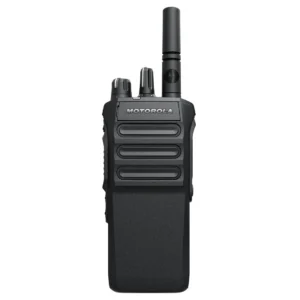
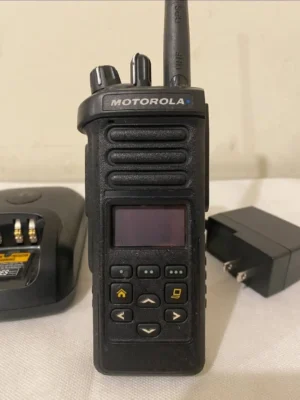
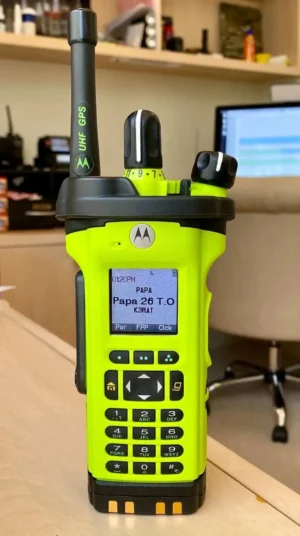
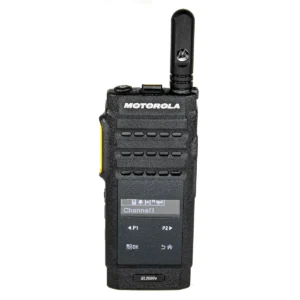
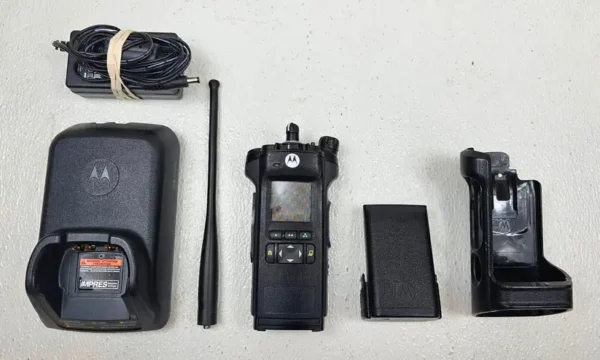
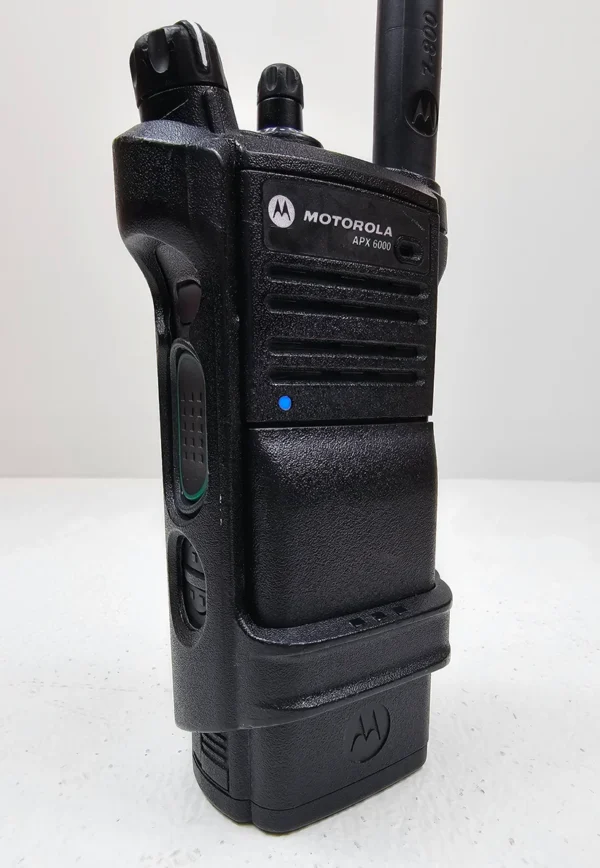
The Motorola APX 6000 VHF M2.5 is a rugged P25 portable radio with Phase 2 TDMA, GPS, Bluetooth, advanced audio, encryption options, and reliable 136–174 MHz VHF communication.
The Motorola APX 6000 VHF M2.5 P25 Portable Radio is a rugged, professional-grade radio designed for public safety and mission-critical communications. Combining APCO P25 digital technology, Phase 2 TDMA capability, VHF operation, advanced audio, GPS, Bluetooth, Wi-Fi, and secure communications, the APX 6000 delivers dependable performance in demanding environments.
The APX 6000 is built for professionals who need reliable communications without carrying a bulky radio. Its compact single-band design, rugged construction, intuitive controls, and advanced P25 capabilities make it an excellent choice for law enforcement, fire departments, emergency services, utilities, public works, transportation, and government organizations.
This Motorola APX 6000 VHF M2.5 operates in the 136–174 MHz frequency range and supports both conventional and trunked P25 communications. It supports P25 Phase 1 FDMA and Phase 2 TDMA, providing flexibility for organizations operating modern ASTRO 25 communication systems.
The radio can also support analog MDC-1200 and QCII signaling, allowing compatible organizations to integrate the APX 6000 into mixed analog/digital environments.
The M2.5 model provides a useful balance of professional features and a compact user interface. Motorola’s APX 6000 documentation identifies the Unified Call List as a feature available on Models 2.5 and 3.5.
Depending on the exact configuration and software options, the radio can also support advanced features such as GPS/GLONASS location tracking, voice announcements, radio profiles, intelligent lighting, Wi-Fi, Bluetooth, encryption, and over-the-air programming.
The Motorola APX 6000 is engineered for demanding field environments. Motorola’s documentation specifies MIL-STD-810C, D, E, F and G compliance and an IP67 rating for the standard configuration. The radio’s aluminum-alloy endoskeleton and rugged construction help protect internal components against harsh operating conditions.
The newer APX 6000 Enhanced platform also offers advanced ruggedness and an IP68 configuration, so buyers should verify the exact radio generation and configuration when purchasing a used unit.
The Motorola APX 6000 VHF M2.5 is designed to maintain clear communication in challenging environments. Depending on configuration, Motorola’s Adaptive Audio Engine provides features including adaptive noise suppression, adaptive gain control, adaptive windporting, and adaptive speaker equalization.
These technologies help compensate for changing background noise and environmental conditions, allowing users to communicate more effectively around traffic, machinery, emergency equipment, and other sources of noise.
The APX 6000 can provide modern connectivity features designed to improve operational efficiency.
Supported configurations can include:
Availability depends on the radio’s specific model, firmware, and feature entitlements.
For organizations requiring secure communications, compatible APX 6000 configurations support multiple encryption options. Motorola documentation lists encryption capabilities including AES, DES, DES-XL, DES-OFB, and Advanced Digital Privacy (ADP), with multi-key and multi-algorithm options available on supported configurations.
OTAR and other security features may require specific software options and compatible P25 infrastructure. Customers should verify the radio’s installed features and their system requirements before purchasing.
The APX 6000 VHF is designed for professional organizations such as:
Its P25 capabilities make it particularly appropriate for organizations operating compatible ASTRO 25, SmartZone, SmartNet, or conventional P25 systems.
The Motorola APX 6000 VHF M2.5 P25 Portable Radio is a strong option for organizations looking for professional P25 communications in a compact, rugged package. It combines VHF coverage with Phase 2 TDMA, advanced audio, GPS, wireless connectivity, and security features.
For customers purchasing a used Motorola APX 6000, it is important to verify the exact model number, firmware, frequency band, feature entitlements, encryption capabilities, battery condition, and programming before purchase. Different APX 6000 configurations can have substantially different feature sets.
Important: P25 radios must be compatible with the customer’s existing radio system and properly programmed before operation. Frequency authorization, encryption requirements, trunking features, and other system functions vary by radio configuration and jurisdiction
Contact us for more information.